
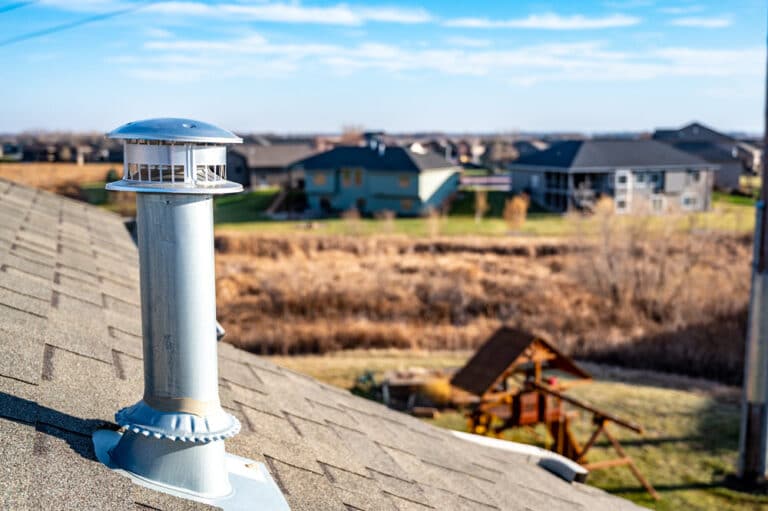
A chimney cap is a metal structure that sits on top of the chimney crown, forming a barrier between the elements and the inside of the chimney. This essential component plays a crucial role in protecting your home from various threats and ensuring the optimal functioning of your chimney.
Without a chimney cap, your chimney is vulnerable to debris, pests, and moisture. Rain, snow, leaves, and other debris can enter the chimney, leading to blockages and potential damage. Critters such as birds, squirrels, and raccoons may find their way inside, causing additional problems. Moisture can seep in, leading to deterioration of the chimney and potential water damage inside your home.
Investing in a chimney cap can save you from costly repairs and potential hazards. By forming a protective barrier, the chimney cap stabilizes your home’s temperature and reduces energy bills. It prevents sparks and embers from escaping, reducing the risk of fire. The chimney cap also minimizes moisture damage, keeping your chimney and home safe from water-related issues. Additionally, it acts as a deterrent for animals, keeping them out and avoiding clogs and unpleasant odors.
There are various types of chimney caps available, each with its own advantages and disadvantages. Galvanized steel, aluminum, stainless steel, and copper are commonly used materials, offering durability and different aesthetic options. When choosing a chimney cap, it’s crucial to consider the appropriate mesh size to prevent debris and embers from escaping while allowing for proper ventilation.
Specialty chimney caps are also available to cater to specific needs. These include draft-increasing caps to enhance airflow, electric caps for added functionality, damper cap combos that combine damper and cap features, chimney flue stretchers to extend the height of the chimney, and multi-flue top mount caps for chimneys with multiple flues.
For optimal functionality and protection, it is recommended to have a professional install your chimney cap. Their expertise ensures proper installation and ensures that the cap is securely in place.
In conclusion, a chimney cap is a vital component in maintaining a well-protected chimney and home. By preventing debris, pests, and moisture from entering the chimney, it safeguards against potential damage and hazards. Investing in a chimney cap not only saves you from costly repairs but also provides numerous benefits in terms of energy efficiency, fire prevention, and overall chimney preservation.
The Functions of a Chimney Cap
The primary function of a chimney cap is to protect the home from debris, pests, and moisture that can enter through the chimney. Without a chimney cap, rainwater, snow, leaves, twigs, and even small animals can find their way into the chimney, causing potential damage and blockages. This can lead to costly repairs and compromised chimney functionality.
A chimney cap acts as a barrier, preventing debris from entering the flue while still allowing the smoke and gases to escape. The mesh or screening on the chimney cap serves as a filter, keeping out unwanted pests such as birds, squirrels, and bats. These animals often seek refuge in warm chimneys, which can create obstructions and even pose a fire hazard. By installing a chimney cap, homeowners can protect their homes and chimneys from these unwanted guests.
In addition to debris and pests, a chimney cap also helps to prevent moisture from entering the chimney. Rainwater, snow, and excess moisture can cause damage to the chimney structure and lead to issues such as rust, decay, and masonry deterioration. By keeping out moisture, a chimney cap helps to extend the lifespan of the chimney and minimize the need for costly repairs.
The importance of regular maintenance
While a chimney cap provides essential protection, regular maintenance is necessary to ensure its optimal functionality. Over time, debris and soot can accumulate on the cap’s mesh, obstructing airflow and increasing the risk of a chimney fire. It is recommended to inspect and clean the chimney cap at least once a year, removing any buildup and ensuring that the mesh is intact.
By understanding the functions of a chimney cap and prioritizing its installation and maintenance, homeowners can safeguard their homes, chimneys, and overall peace of mind. A well-protected chimney not only prevents common chimney problems but also contributes to a safer, more efficient, and comfortable living environment.
Benefits of Having a Chimney Cap
Investing in a chimney cap offers numerous benefits for homeowners, ranging from energy savings to fire prevention and animal exclusion. A chimney cap is a metal structure that sits on top of the chimney crown, forming a barrier between the elements and the inside of the chimney. Without a chimney cap, rain, snow, critters, and debris can enter the chimney and cause damage. Here are some of the key benefits of having a chimney cap installed:
- Energy Savings: A properly installed chimney cap helps stabilize the home temperature by preventing drafts, which can result in energy savings. By preventing cold air from entering the home in the winter and hot air from escaping in the summer, homeowners can reduce their energy bills.
- Fire Prevention: Chimney caps play a crucial role in fire prevention by controlling sparks and embers. Without a cap, these can escape from the chimney and potentially ignite nearby flammable materials. Investing in a chimney cap can provide peace of mind and protect your home from fire hazards.
- Moisture Damage Prevention: Excessive moisture can cause damage to both the chimney and the home’s interior. A chimney cap acts as a barrier, preventing rainwater, snow, and ice from entering the chimney. This helps minimize the risk of water damage, including rust, deterioration, and mold growth.
- Animal Exclusion: Chimneys without caps are prone to animal intrusions, such as birds, squirrels, or raccoons. These creatures can build nests, block the chimney, and create foul odors. With a chimney cap, homeowners can effectively keep animals out, preventing clogs and unpleasant smells.
When it comes to chimney cap materials, there are several options available, each with its own advantages and disadvantages. Common materials include galvanized steel, aluminum, stainless steel, and copper. These materials offer durability and resistance to weathering, ensuring that the chimney cap remains effective for years to come.
There are specialty chimney caps tailored to specific needs. Draft-increasing caps improve the chimney’s airflow, enhancing draft efficiency. Electric caps provide convenience by allowing for electric functionality, such as opening and closing the cap. Damper cap combos replace the traditional fireplace damper and serve as a versatile solution. Chimney flue stretchers are designed to extend the chimney flue for improved performance. Multi-flue top mount caps can cover multiple flues, providing comprehensive protection.
For proper installation and functionality, it is recommended to have a professional install the chimney cap. They have the expertise and knowledge to assess your specific chimney needs and select the right cap for your home. Additionally, regular maintenance is essential to keep the chimney cap in optimal condition, ensuring that it continues to provide the desired protection for your chimney and prevent common chimney problems.
| Benefits | Materials | Specialty Caps |
|---|---|---|
| Energy savings | Galvanized steel | Draft-increasing caps |
| Fire prevention | Aluminum | Electric caps |
| Moisture damage prevention | Stainless steel | Damper cap combos |
| Animal exclusion | Copper | Chimney flue stretchers |
Types of Chimney Flue Caps
There are several types of chimney flue caps to choose from, including options made from galvanized steel, aluminum, stainless steel, and copper. Each material offers its own unique advantages and disadvantages, allowing homeowners to select the best option based on their specific needs and preferences.
Galvanized steel chimney flue caps are a popular choice due to their affordability and durability. They provide reliable protection against debris and pests while withstanding harsh weather conditions. However, they may eventually rust over time and require replacement.
| Material | Advantages | Disadvantages |
|---|---|---|
| Galvanized Steel | Affordable, durable | Potential for rust |
| Aluminum | Lightweight, resistant to rust | Less durable than steel |
| Stainless Steel | Highly durable, resistant to rust | More expensive |
| Copper | Attractive appearance, resistant to rust | Expensive, requires maintenance to prevent patina |
For homeowners seeking a lightweight option, aluminum chimney flue caps are worth considering. They are resistant to rust and corrosion, making them suitable for areas with high moisture levels. However, aluminum caps may not be as durable as steel options and may require more frequent replacement.
Stainless steel chimney flue caps are known for their exceptional durability and resistance to rust. They provide long-lasting protection against debris and pests, making them a reliable choice for homeowners looking for a low-maintenance option. However, stainless steel caps are generally more expensive than other materials.
For those seeking an aesthetically pleasing option, copper chimney flue caps are an excellent choice. Copper develops a natural patina over time, adding a unique and attractive appearance to the chimney. However, copper caps are more expensive and require regular maintenance to prevent the patina from forming.
When selecting a chimney flue cap, it’s important to consider factors such as budget, durability, maintenance requirements, and desired appearance. Consulting with a professional chimney specialist can help homeowners make an informed decision and ensure the chosen cap provides the necessary protection for their chimney and home.
Choosing the Right Chimney Flue Cap
Selecting the right chimney flue cap involves considering factors such as mesh size, specialty functionality, and the number of flues in your chimney. The mesh size of the chimney cap is important as it determines the size of debris and embers that can escape. A smaller mesh size is suitable for areas prone to wildfires, as it prevents sparks from leaving the chimney. However, it can also restrict airflow, so it’s crucial to find a balance that works for your specific needs.
In addition to mesh size, specialty functionality should be taken into account when choosing a chimney flue cap. Some caps offer features such as increased draft, electric functionality, or damper cap combos. These options can provide added benefits depending on your requirements. For example, draft-increasing caps are ideal for areas with poor air circulation, while electric caps are suitable for those who want to control their chimney remotely.
If your chimney has multiple flues, you’ll need to consider a multi-flue top mount cap. These caps are specifically designed to cover multiple flues, providing comprehensive protection for each one. They are available in various sizes and styles to accommodate different chimney configurations.
Chimney Flue Cap Selection Guide
| Factor | Considerations |
|---|---|
| Mesh Size | Determine the size of debris and embers that can escape |
| Specialty Functionality | Choose additional features like increased draft or electric functionality |
| Number of Flues | Select a multi-flue top mount cap for multiple flues |
Proper installation of the chimney flue cap is crucial to ensure its effectiveness. It is recommended to have a professional handle the installation process. They have the knowledge and experience to ensure the cap is securely attached and provides the desired protection. Regular maintenance of the chimney flue cap is also important to keep it in optimal condition. Clear any debris that may accumulate on the cap, inspect it for damage or wear, and address any issues promptly to prevent further damage to your chimney.
By carefully considering the mesh size, specialty functionality, and number of flues in your chimney, you can choose the right chimney flue cap that suits your needs. Remember to have a professional handle the installation for optimal protection, and regularly maintain the cap to prolong its lifespan. With a well-chosen and properly maintained chimney flue cap, you can enjoy the benefits of a protected chimney and prevent common chimney problems.
Installation and Maintenance of a Chimney Flue Cap
Professional installation is crucial for ensuring the chimney flue cap is properly fitted to provide the desired protection, and regular maintenance is necessary to prolong its lifespan. When it comes to installation, it is recommended to hire a professional chimney technician who has the knowledge and experience to handle the job effectively and safely.
During installation, the technician will carefully measure the dimensions of your chimney to ensure the chimney cap fits securely. They will also inspect the chimney for any existing damage or issues that need to be addressed before installing the cap. Once the installation is complete, the technician will test the cap to ensure it is functioning correctly and providing the necessary protection.
Maintenance is equally important to keep your chimney cap in optimal condition. Regular inspection of the chimney cap should be performed to check for any signs of damage, such as rust or corrosion. It is also essential to remove any debris, such as leaves or twigs, that may accumulate on the cap over time. This can be done by gently brushing or sweeping the cap.
If you notice any issues with the chimney cap, such as loose fittings or damage, it is crucial to address them promptly. Ignoring problems can lead to further damage and compromise the effectiveness of the cap. For any repairs or replacements, it is recommended to consult a professional chimney technician to ensure the job is done correctly and safely.
Table 1. Chimney Cap Maintenance Checklist
| Task | Frequency |
|---|---|
| Inspect chimney cap for damage | Annually |
| Remove debris from the cap | Regularly, as needed |
| Check fittings and tighten if necessary | Annually |
| Address any issues promptly | As soon as noticed |
By following these installation and maintenance practices, you can ensure that your chimney flue cap provides the desired protection for your home. Remember, a properly installed and well-maintained chimney cap not only safeguards your chimney but also helps maintain a safe and efficient fireplace system.
1. Draft-Increasing Caps
Draft-increasing caps are designed to enhance the airflow in the chimney flue, improving the efficiency and effectiveness of the fireplace or stove. These caps utilize a unique design that creates a suction effect, drawing in more air and preventing smoke from entering the living space.
2. Electric Caps
| Advantages | Disadvantages |
|---|---|
| Provide instant and convenient control over chimney flue airflow. | Require electricity for operation, which may not be suitable for all situations. |
3. Damper Cap Combos
- Combines the functionality of a chimney cap and a damper in one unit.
- Allows homeowners to control airflow and seal the chimney when not in use.
- Provides added protection against moisture, debris, and pests.
4. Chimney Flue Stretchers
Chimney flue stretchers are designed to increase the height of the chimney flue, improving draft and preventing downdrafts. These caps are particularly beneficial in areas with tall trees, nearby structures, or uneven rooftop configurations that can disrupt the natural airflow in the chimney.
5. Multi-Flue Top Mount Caps
For homes with multiple chimneys, a multi-flue top mount cap offers a practical solution to protect all the flues in one unit. These caps are designed to cover multiple chimneys simultaneously, providing a uniform appearance and comprehensive protection against debris, moisture, and pests.
With these specialty chimney caps, homeowners can enhance the functionality, efficiency, and overall protection of their chimneys, ensuring a safe and enjoyable fireplace experience throughout the year.
The Importance of a Well-Protected Chimney
A well-protected chimney is essential for the overall well-being of the home, and a chimney flue cap is a crucial component in preventing common issues. With its simple yet effective design, the chimney cap acts as a barrier to keep debris, pests, and moisture out of the chimney.
Without a chimney cap in place, rain and snow can enter the chimney, causing water damage and potentially leading to mold growth. Debris such as leaves, twigs, and even animal nests can clog the chimney flue, obstructing proper airflow and increasing the risk of carbon monoxide buildup. Additionally, without a chimney cap, critters like birds, squirrels, and raccoons can easily enter the chimney, creating a mess, causing damage, and even posing a fire hazard.
Investing in a chimney flue cap offers multiple benefits for homeowners. Besides protecting the home from external elements, a chimney cap helps stabilize the temperature inside the house by preventing drafts and reducing heat loss. This, in turn, can result in lower energy bills. The use of a chimney cap also helps prevent fires by controlling sparks and embers from escaping, minimizing the risk of chimney fires and potential damage to the roof and surrounding areas.
| Benefits of a Well-Protected Chimney: |
|---|
| 1. Stabilizes home temperature |
| 2. Reduces energy bills |
| 3. Prevents fires by controlling sparks and embers |
| 4. Minimizes moisture damage to the chimney and home |
| 5. Keeps animals out to prevent clogging and foul odors |
| 6. Preserves the chimney liner |
Conclusion
Investing in a high-quality chimney flue cap is a wise decision that can save homeowners from costly repairs and ensure their chimney remains safe and functional.
A chimney cap serves as a protective barrier, guarding the home against debris, pests, and moisture. Without a chimney cap, rain, snow, critters, and debris can enter the chimney, causing damage and potential hazards. By installing a chimney cap, homeowners can prevent these issues and avoid the need for expensive repairs in the future.
Not only does a chimney cap provide protection, but it also offers several other benefits. It helps to stabilize the home’s temperature, reducing energy bills and increasing overall comfort. By controlling sparks and embers, a chimney cap minimizes the risk of fires. It also prevents moisture damage to both the chimney and the home itself, ensuring a longer lifespan for these structures. Additionally, a chimney cap acts as a deterrent, keeping animals out and preventing clogs and unpleasant odors.
When choosing a chimney flue cap, homeowners should consider the different materials available, such as galvanized steel, aluminum, stainless steel, and copper. Each material has its own advantages and disadvantages, so it’s important to select one that suits both the homeowner’s aesthetic preferences and practical needs. Mesh size is also a crucial factor to prevent debris and embers from escaping while allowing for proper ventilation.
For those with specific needs, there are specialty chimney caps available. These include draft-increasing caps, electric caps, damper cap combos, chimney flue stretchers, and multi-flue top mount caps. These options cater to unique requirements, providing additional functionalities and convenience.
To ensure proper installation and functionality, it is highly recommended to have a professional install the chimney cap. Their expertise will ensure a secure fit and optimal protection, giving homeowners peace of mind.
Investing in a chimney flue cap not only protects the home and chimney but also offers numerous benefits and cost savings in the long run. By taking the necessary steps to safeguard their chimney, homeowners can enjoy the warmth and comfort of their fireplace while avoiding potential risks and expensive repairs.